Bronze
THE PLASTIC ISLAND
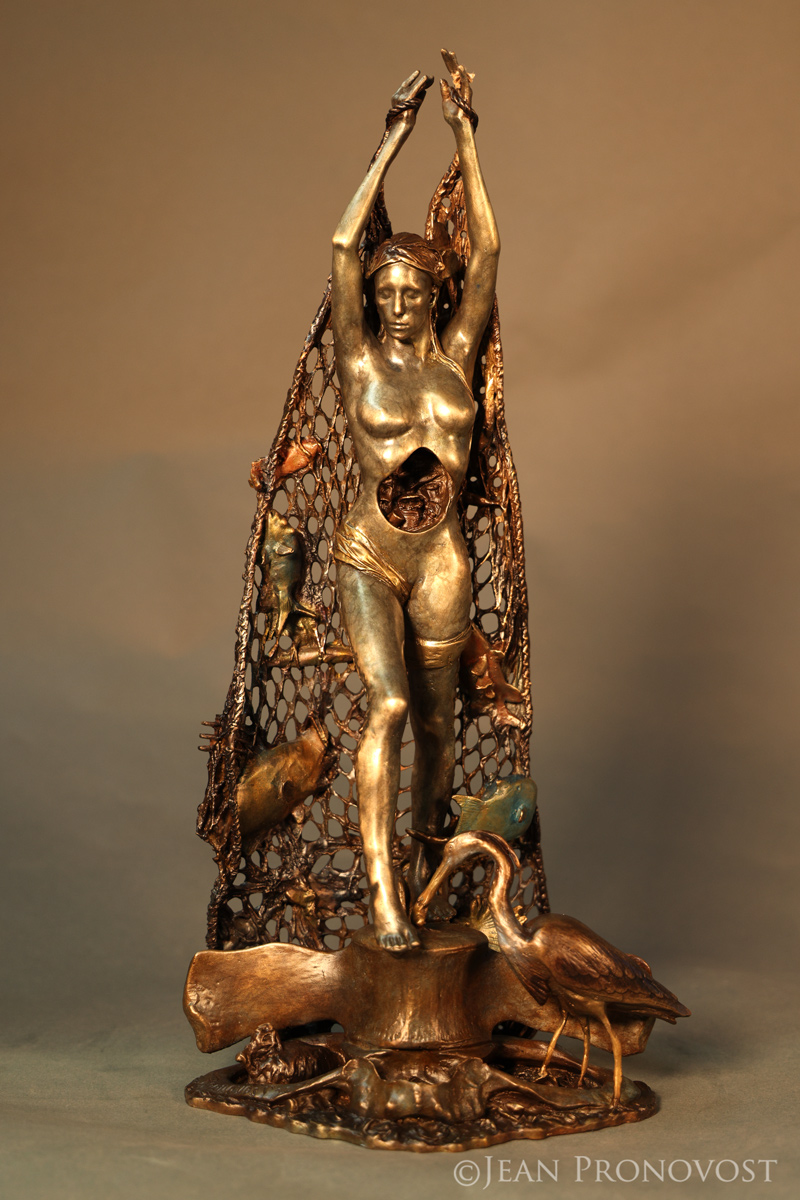
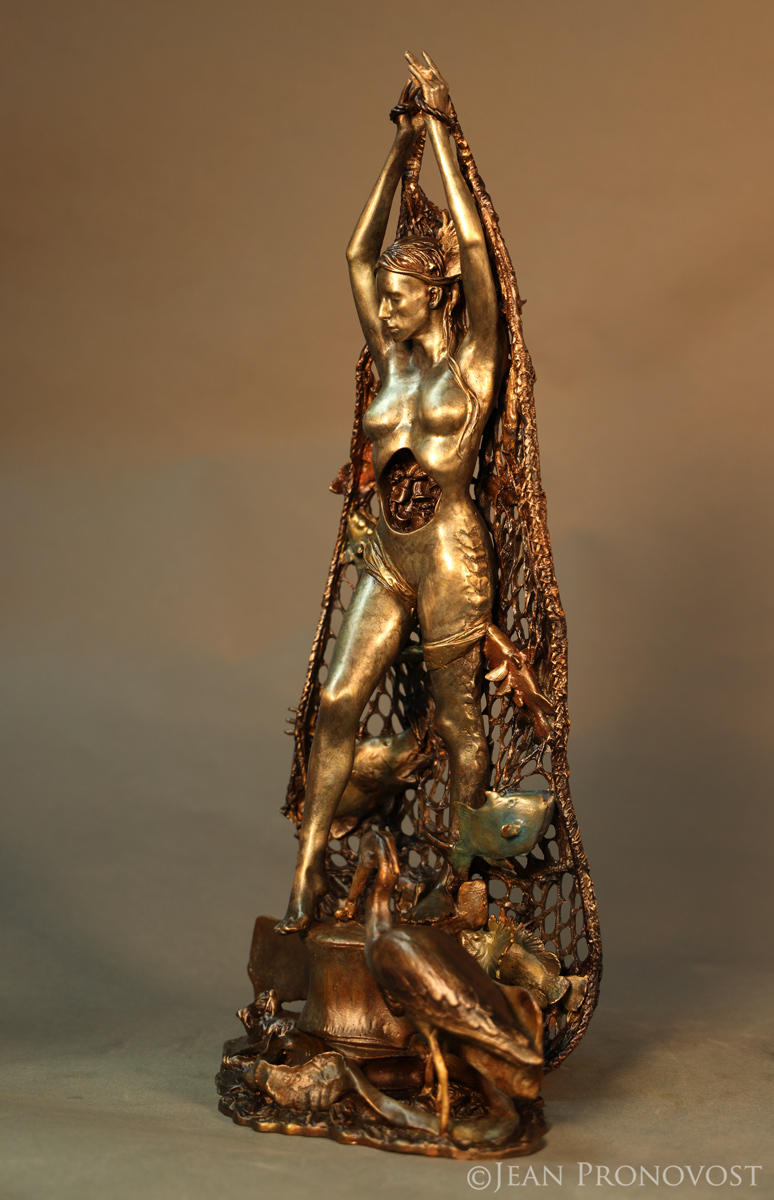
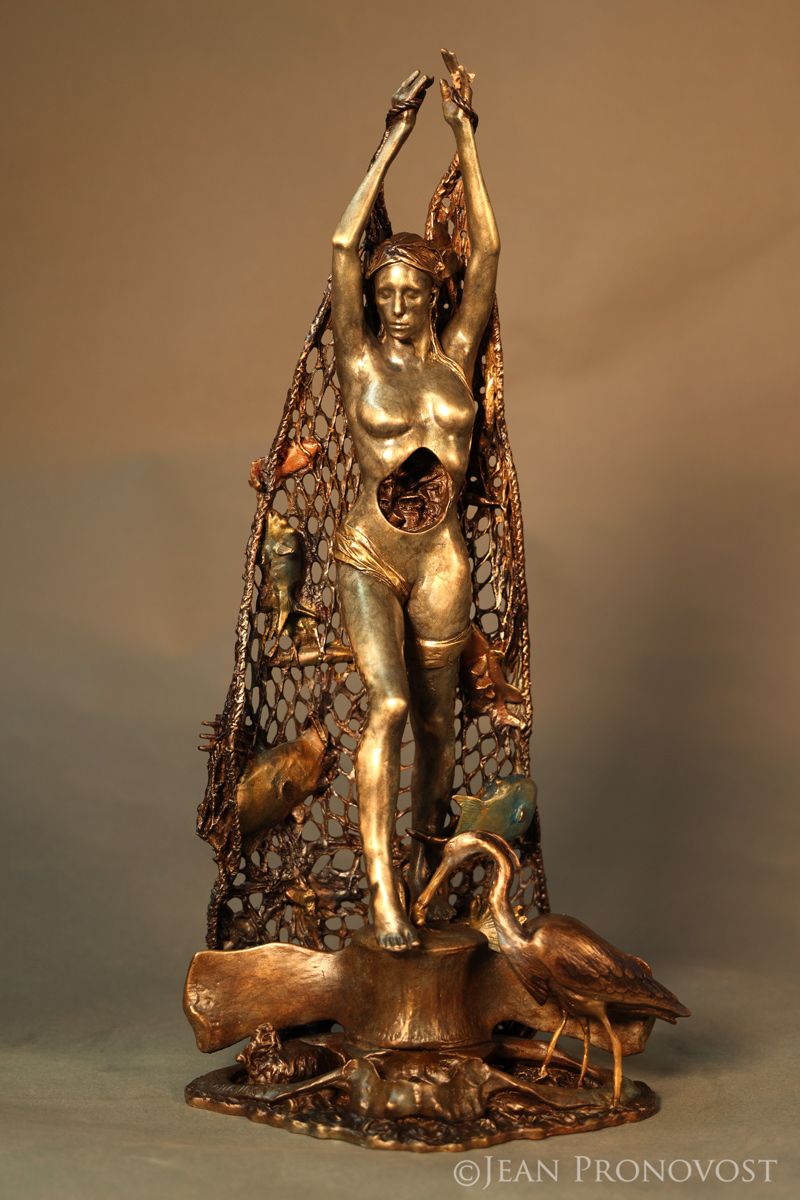
In this new gallery dedicated exclusively to bronze sculpture, sculptor Jean Pronovost presents The Plastic Island, a powerful and thought-provoking work of contemporary environmental art. Originally created in a monumental format, this sculpture is now available in a refined, reduced version, specifically adapted for bronze casting.Jean Pronovost’s most significant works are now offered as limited edition bronze sculptures, with only 8 pieces per edition, each signed and numbered to ensure authenticity, rarity, and long-term collectible value.This sculpture measures 16.5 inches in height and weighs approximately 35 pounds, making it a striking and substantial addition to any fine art collection, contemporary gallery, or luxury interior space.
About Bronze Sculpture:
Bronze is a noble alloy composed of over 80% copper, typically combined with less than 20% tin. A bronze sculpture by Jean Pronovost is designed to last virtually forever. Throughout history, bronze works have been recovered intact from shipwrecks and the buried ruins of ancient civilizations.True bronze is highly resistant—even to extreme fires—and develops only a natural surface patina rather than deteriorating. With minimal restoration, such as light sandblasting and repatination, a sculpture can be returned to its original brilliance. A bronze artwork thus becomes a timeless heirloom, capable of being passed down through generations for millennia.
IMAGES
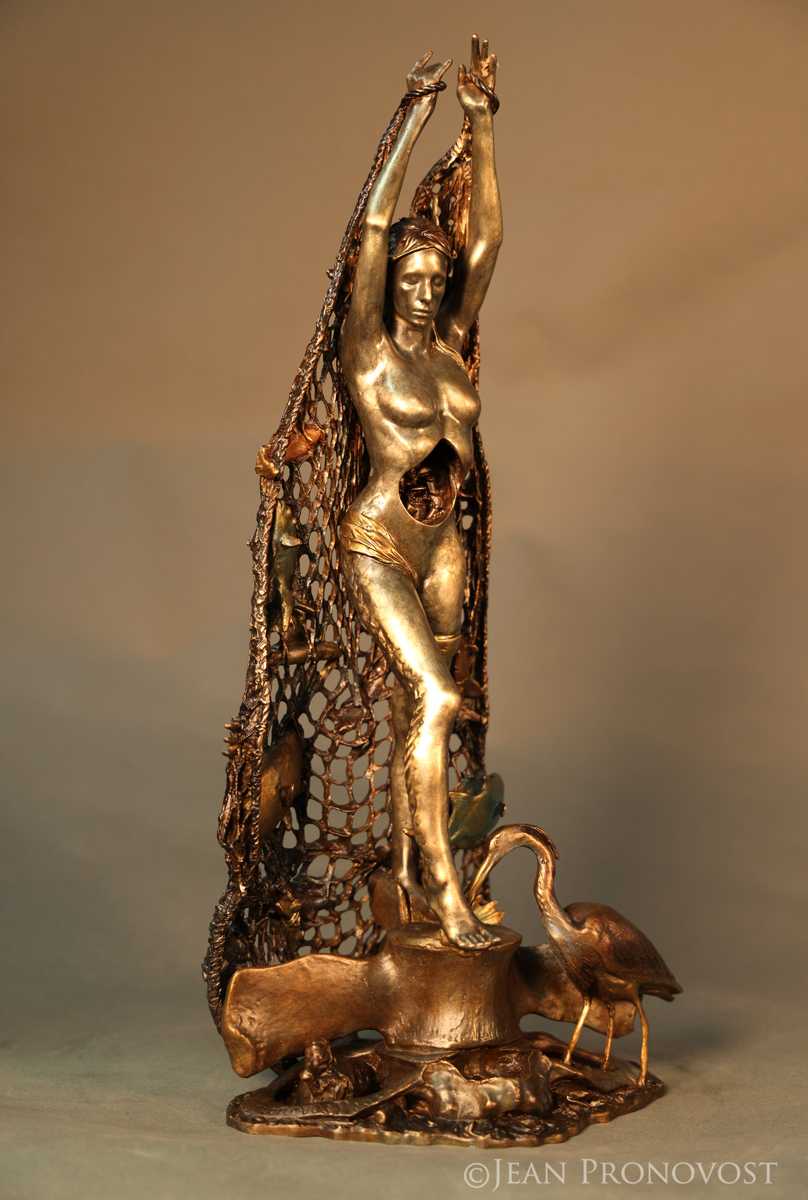
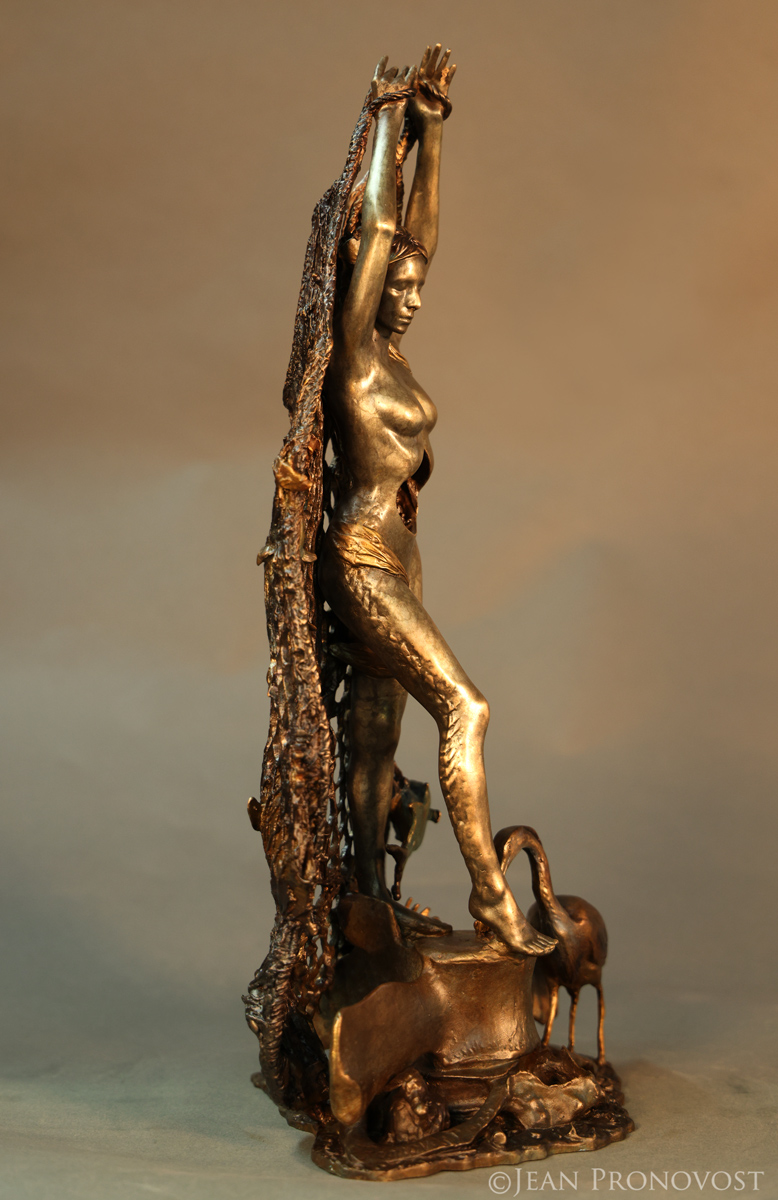
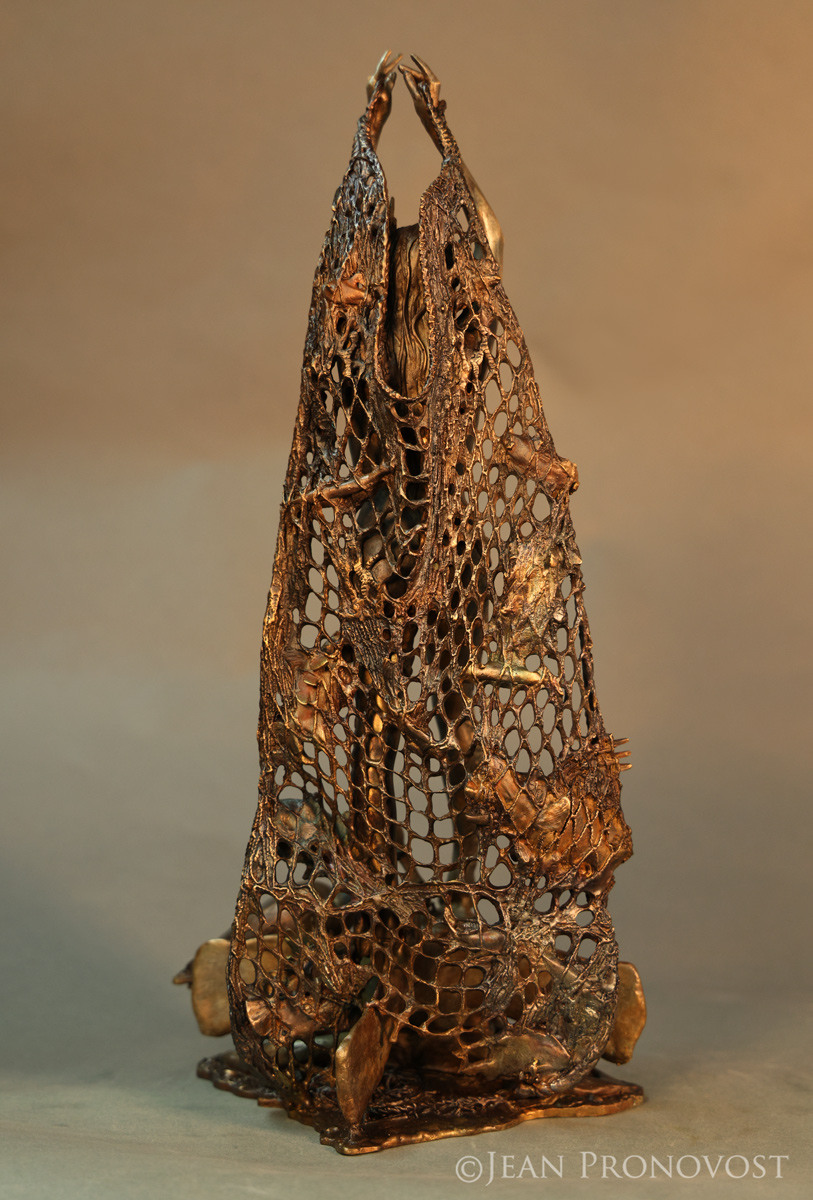
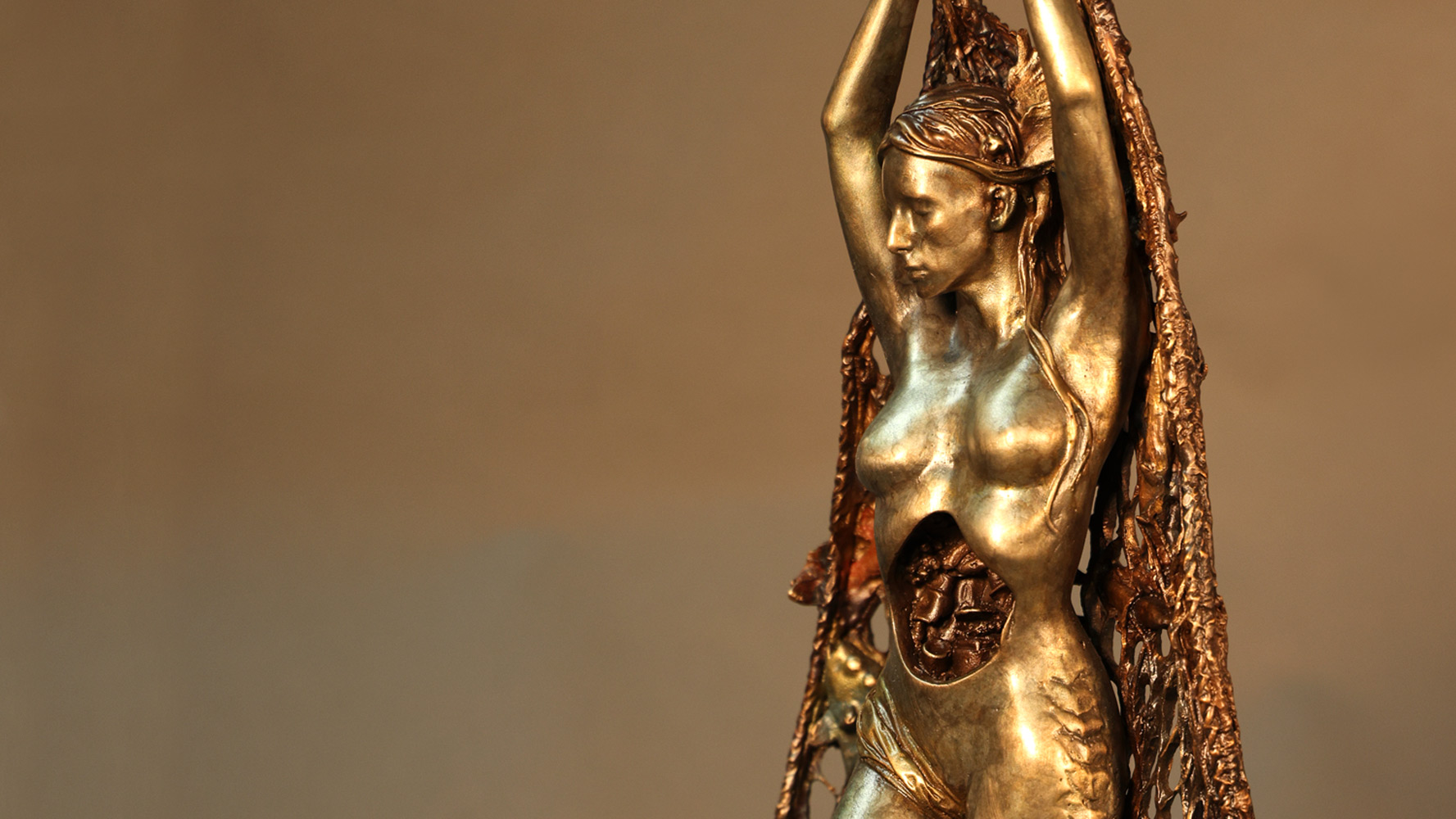
To describe The Plastic Island as merely extraordinary would be an understatement. Every element of this contemporary bronze sculpture contains layers of meaning and symbolism, inviting deep reflection. Like all great allegories, it brings together beauty and decay to communicate urgent truths about our world. At the center of the sculpture stands a woman whose symbolic richness is matched only by the mass of waste contained within her body. She is both captivating and disturbing—impossible to ignore. She represents both our present and our future: overwhelmed by corruption, destructive forces, and the accumulation of waste that is as seductive as it is toxic. The dramatic contrast between the natural world and the artificial human environment highlights a dual reality: the worst may still be ahead, yet not all is lost—at least for nature. Despite being polluted and contaminated by human activity, nature will endure and ultimately outlast us. At the base of the sculpture lie massive whale bones, forming a pedestal for the female figure. This deliberate choice evokes the tragedy of whales—among the largest marine mammals—now threatened by the actions of a species so small in comparison. Surrounding this scene are a heron, a frog, and an oil-covered duck, each carrying profound symbolic meaning. The heron, mutated by environmental toxicity, has three legs instead of two. It stands as a stark representation of the consequences of plastic overconsumption and chemical pollution. Like humanity, it continues to consume without awareness, even as its own body undergoes pathological transformation. The frog symbolizes both strength and fragility. Often considered a biological indicator of environmental health, it is typically the first to suffer from pollution—and the first to disappear. Yet here, the frog resists the heron’s attack, embodying the resilience and persistence of nature. The oil-covered duck illustrates the cost of human progress. It reflects a harsh truth: modern society often prioritizes consumption and convenience over ecological balance. Cars need fuel—regardless of the damage inflicted on wildlife, lakes, and oceans. Mutated fish are also trapped within a fishing net that extends from the base to the top of the sculpture. Some have two heads; others possess multiple fins—visual evidence of environmental degradation. These aquatic creatures evolve alongside us, shaped by the same pollution we create. Although the central figure appears trapped in the net, the symbolism suggests that she is responsible for her own capture. She is both victim and cause—blinded by excess, ignorance, and denial. Her closed eyes reflect a deliberate refusal to acknowledge reality, while her submissive posture suggests complacency and illusion. She chooses beauty, intoxication, and the false belief that she stands at the top of the natural order. Her body itself undergoes mutation. Sturgeon scales appear on her hips and thighs, referencing a prehistoric fish species that has survived ice ages and mass extinctions. This detail emphasizes the enduring power of nature—resilient, adaptive, and ultimately dominant. Attached to her body is a plastic bag, while her abdomen contains objects emblematic of modern consumer culture: cosmetics, perfume bottles, empty antidepressant containers, a cellphone, and insect repellent. These everyday items—reduced to waste—fill the very space associated with life, nourishment, and creation. The message is clear: the products of mass consumption are disrupting the natural cycle of life. Everything we create, consume, and discard leaves a lasting impact on all living beings.